

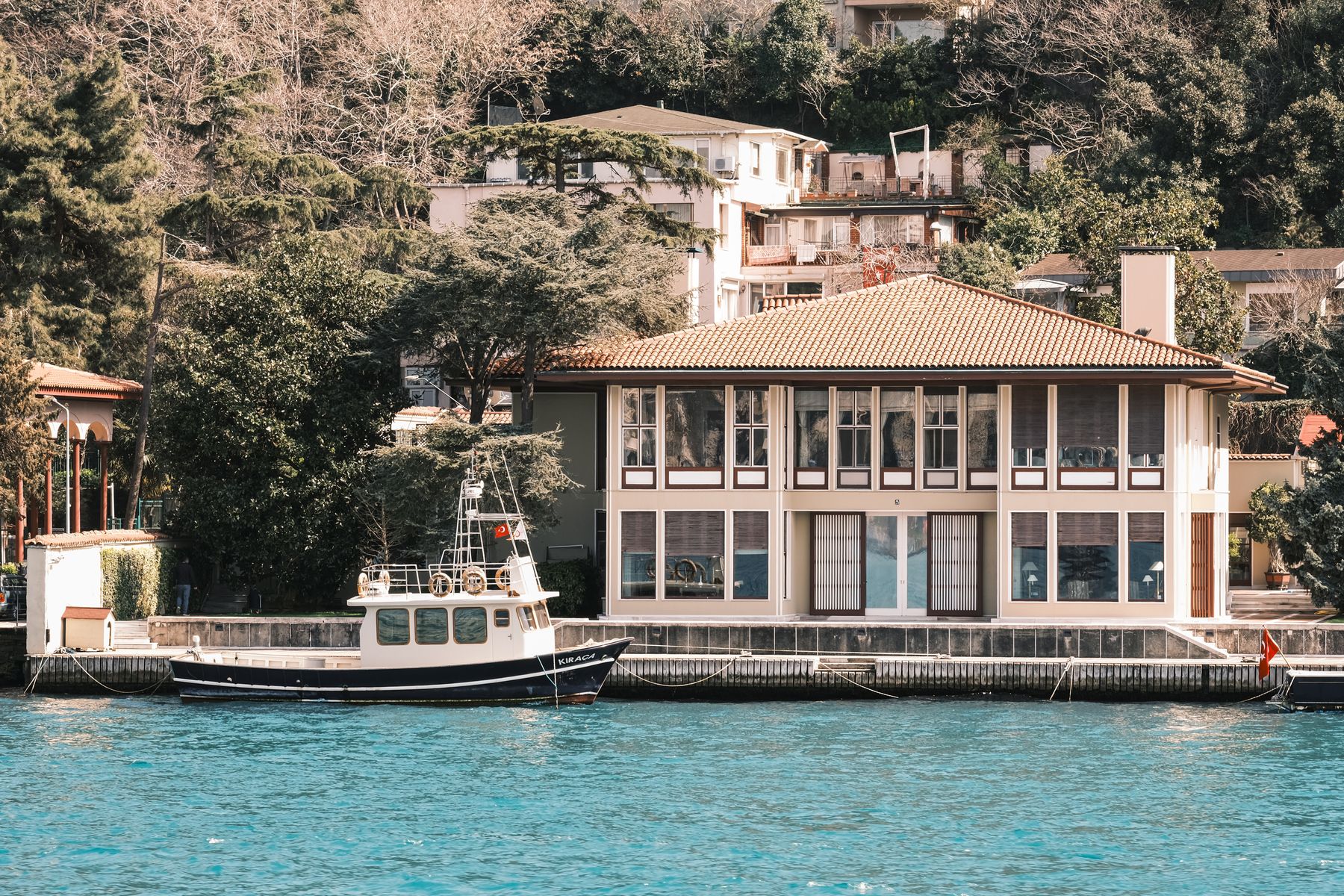
Seawall: look beyond the face
A seawall is structural waterfront infrastructure, not landscaping. Buyers should pay attention to visible movement, cracking, erosion, cap condition, drainage and any repair history. If something looks questionable, a specialist inspection can be money well spent.
Dock: fit, condition and permits
Evaluate deck condition, framing, pilings, electrical service, lighting, water, ladders and geometry. A dock can be “there” but still be poorly configured for the boat you plan to keep.
Lift: capacity must match the boat
Confirm the lift’s rated capacity, cradle configuration and physical fit. Boat weight includes more than the dry hull; fuel, engines, batteries, gear and upgrades all matter when determining appropriate lift capacity.
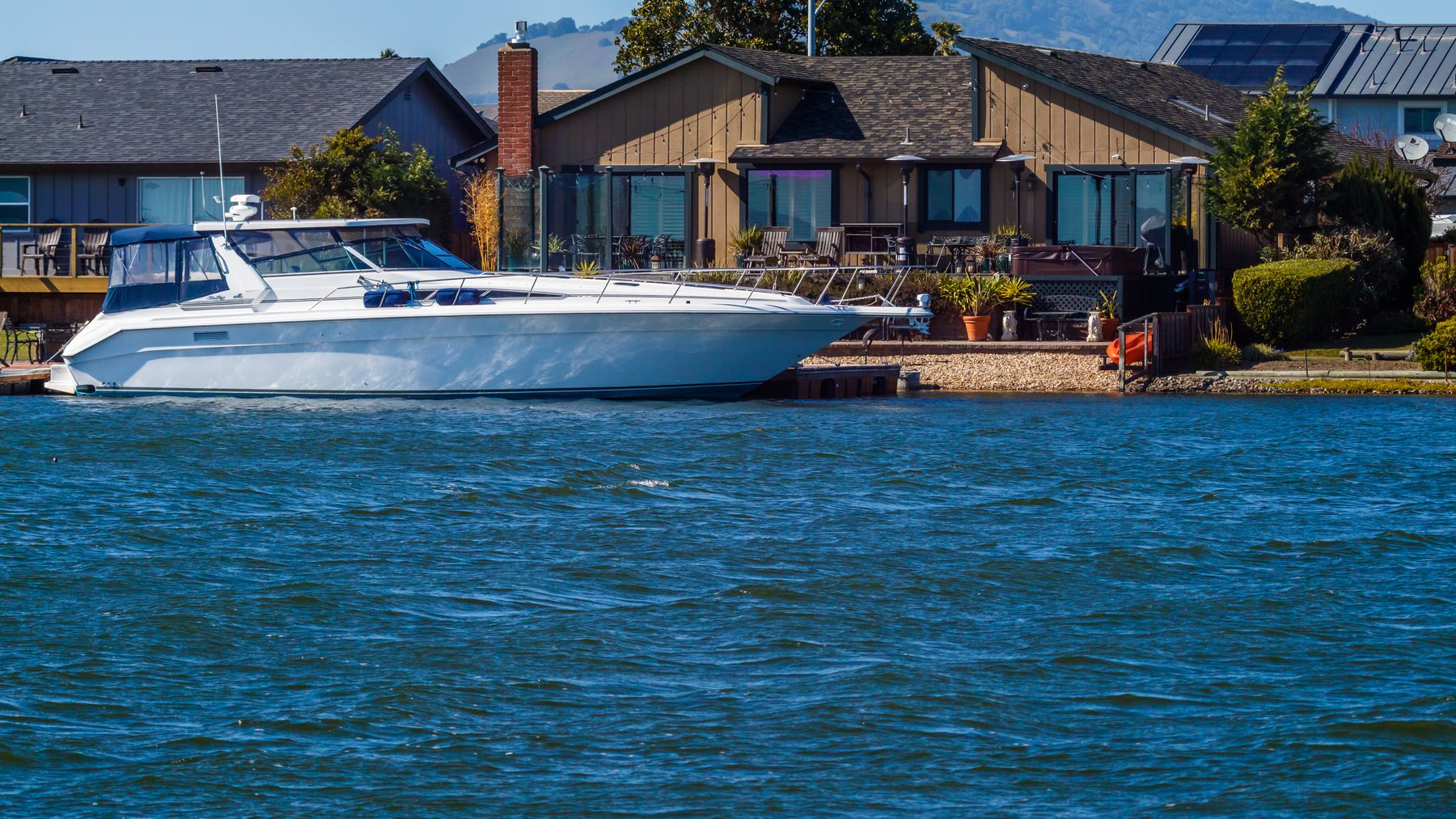
Paperwork matters
Ask for available permits, invoices, warranties and repair documentation. Waterfront improvements are an area where “the seller said it was permitted” is not the same as verifying the record.
Frequently asked questions
Should I hire a separate seawall inspector?
If the seawall shows concerns, is older, has a repair history or represents a meaningful financial risk, getting a qualified specialist opinion can be appropriate in addition to the general home inspection.
Can an existing boat lift be too small for my boat?
Yes. Verify rated capacity, cradle configuration, beam fit and the loaded weight of the actual boat.
Should I verify waterfront permits?
Yes. Permit records and documentation can help confirm that significant waterfront work was properly authorized and completed.