

Single-family homes
- Median sale price
- $380,000
- Average sale price
- $478,000
- Average days on market
- 82 days
- Months of inventory
- 5.97
- Properties sold
- 369
Market conditions change. The framework for reading them should not. Here is how I separate useful signals from generic national headlines.
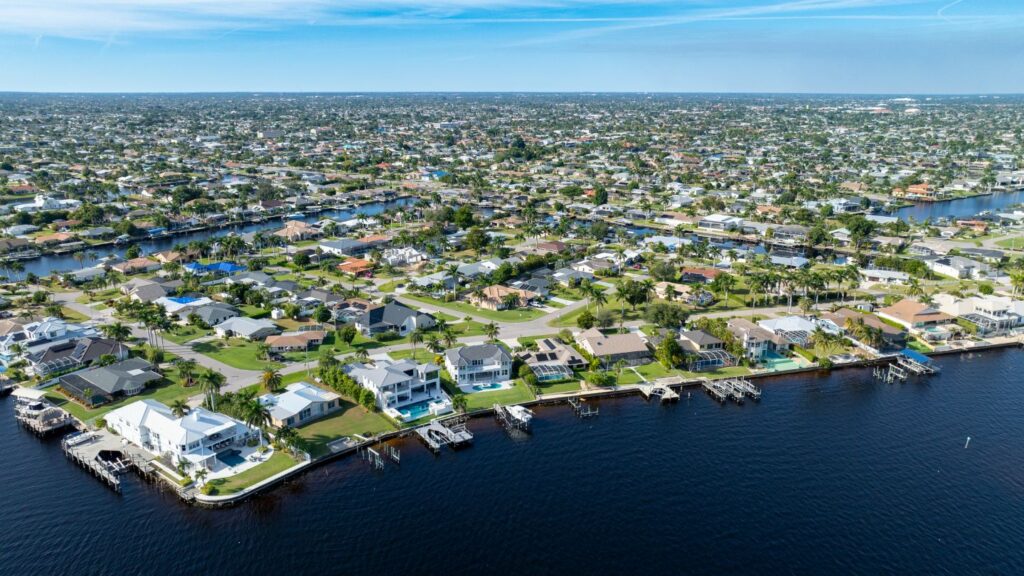
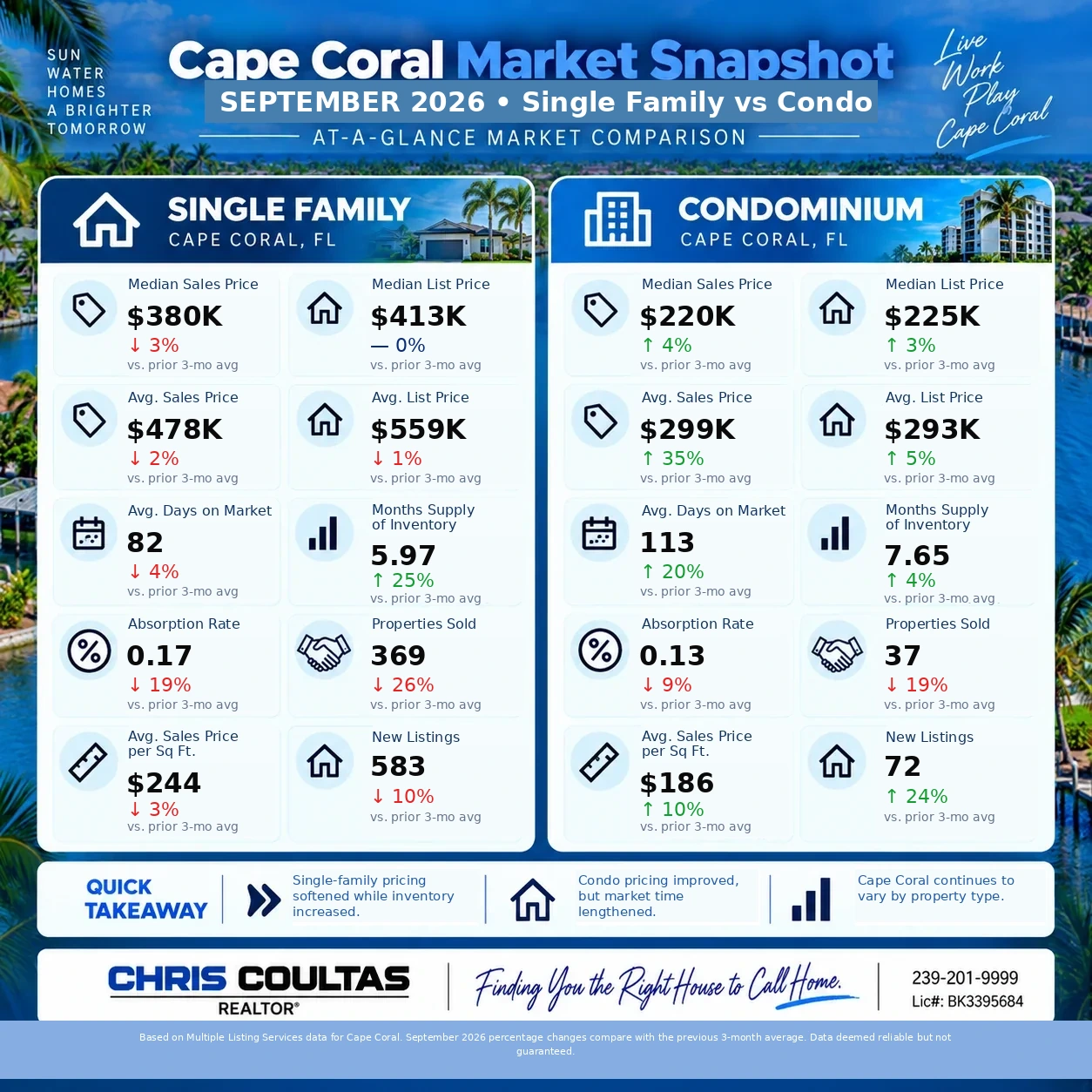
September split the market again. Single-family median sale price eased to $380K while average days on market improved to 82. Condos/townhomes moved the other direction on price, with a $220K median sale and 113 average days on market. Inventory remained noticeably higher for condos.
Data through September 2026. Updated October 1, 2026.
I publish the key figures in text below the graphic so you can compare the numbers quickly. Percentage changes in the September graphic compare each metric with the previous 3-month average, matching the source market report.
Market statistics are citywide snapshots and should not be treated as the value of a specific property. Waterfront access, neighborhood, condition, age, fees and price range can behave very differently.
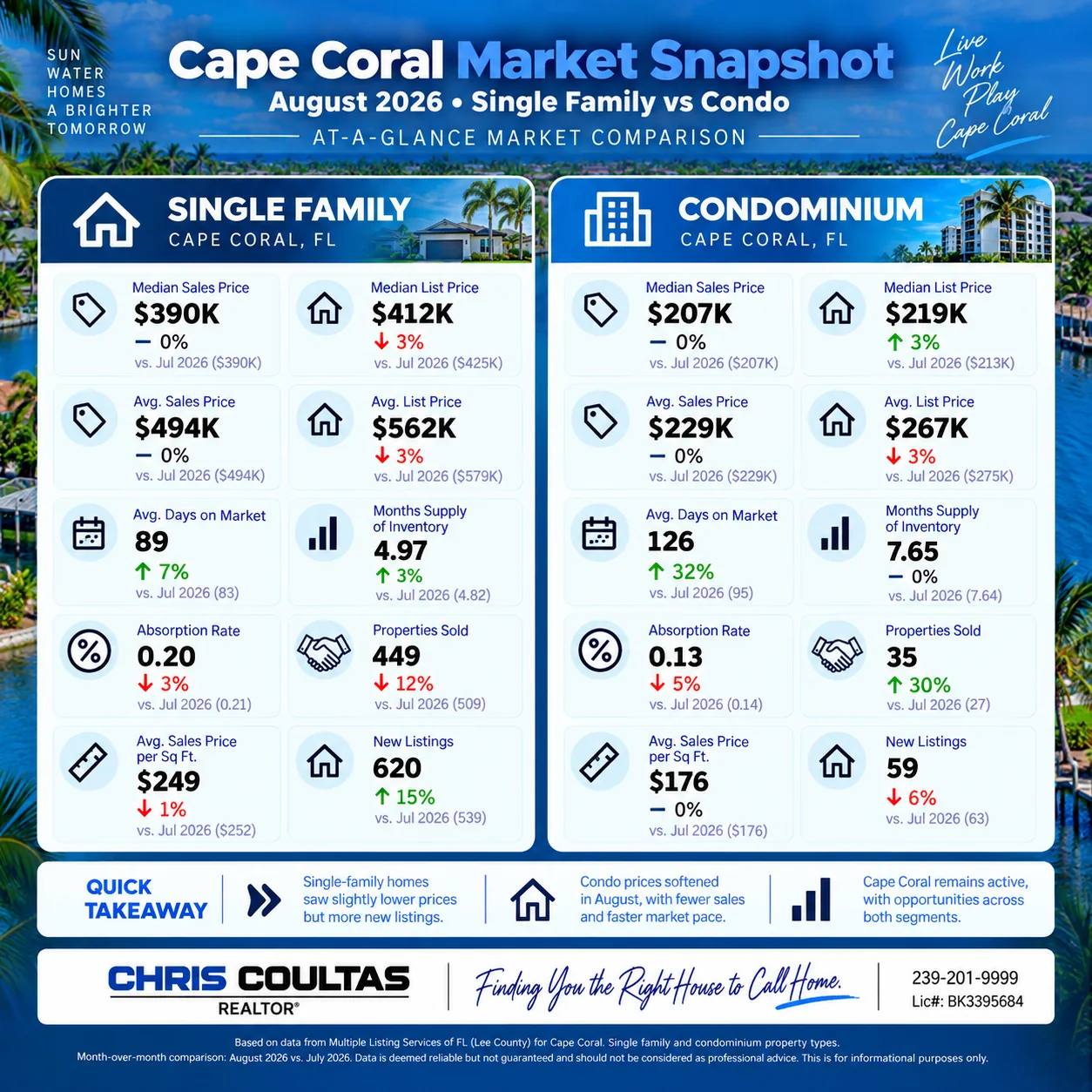
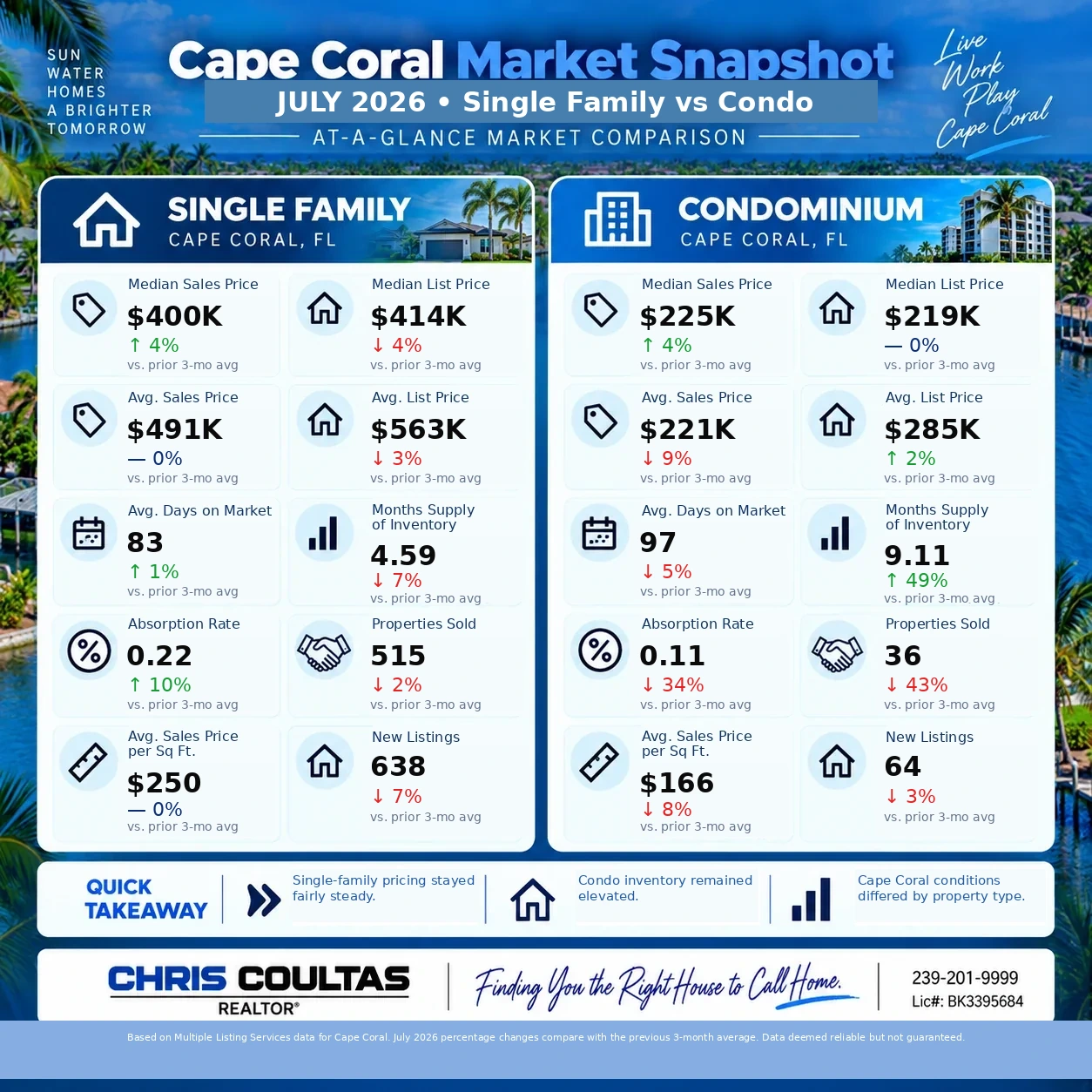
Showing September 2026. Use the month buttons or arrows to compare recent snapshots.
A useful market update should tell you more than whether the median price went up or down. I watch inventory, new listings, pending activity, days on market and the gap between asking prices and accepted prices. Together, those numbers show whether buyers are gaining leverage or sellers are regaining urgency.
Citywide statistics can hide important differences. Gulf-access homes, freshwater properties, newer northwest construction, older mid-Cape homes, condos and vacant land can move differently. The competitive set for the property matters more than a citywide headline.
Buyers compare the payment, not only the purchase price. Insurance, flood coverage, utilities, assessments, HOA or condo fees and financing rates can change what buyers can support. Those costs belong in both buyer and seller strategy.
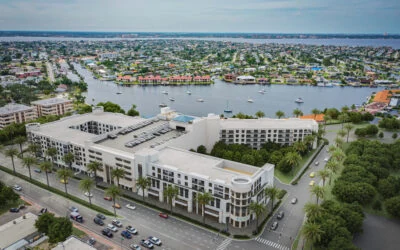
For sellers, pay attention to competing active listings, recent price reductions, how quickly well-presented homes go pending and whether buyers are negotiating concessions. Pricing from last year’s memory instead of today’s competitive set is a fast way to become the stale listing.
For buyers, days on market, failed contracts, price reductions and competing inventory can reveal negotiating opportunities. But attractive homes that are priced well can still move quickly even when the broader market feels slow.
It can change by property type, price range and neighborhood. Use current inventory, pending activity, days on market and the competitive set for the specific property instead of relying on one citywide label.
Not necessarily. Waterfront access type, route quality, seawall and dock condition, insurance and price point can create a very different buyer pool.
For an active buyer or seller, monthly data is much more useful than an old annual headline. BigCHomes is structured so current market updates can be layered onto evergreen local guides without deleting useful pages every year.
Waterfront, utilities and buyer guides.
Cape Coral →SELLERSPricing, prep and local listing strategy.
Seller guide →NEIGHBORHOOD NEWSChoose Cape Coral citywide or any of its six ZIP codes.
Get a current report →
Waterfront, condo rules, relocation, VA buying, selling, or a specific property — start with the actual question.