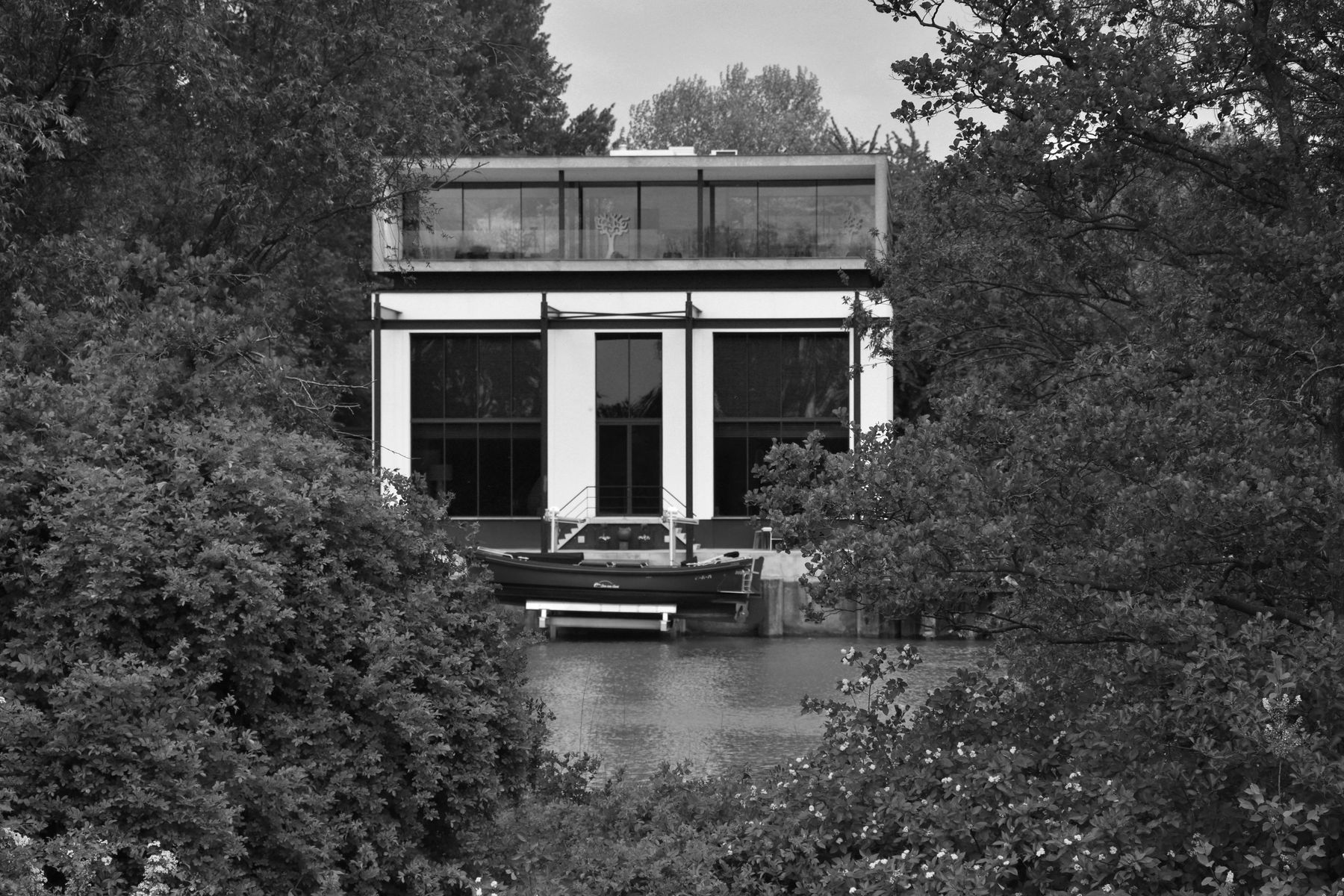


“Gulf access” is one of the most useful labels in a Cape Coral listing and one of the easiest to misunderstand. It tells you that the water connects toward the river or Gulf. It does not tell you whether your boat fits, whether the route is enjoyable or whether the seawall behind the house is about to become your next major project.
Cape Coral canals aren’t one-size-fits-all.
This quick video is the short version of the same point: the words Gulf access are only the beginning. The boat, bridges, route and waterfront improvements all have to fit.
Want me to narrow the canals to the ones that actually work for you?
Tell me what boat you have — or what you plan to buy — and I’ll help you focus the search before you waste weekends touring the wrong waterfront.
1. Trace the entire route, not the backyard canal
I want to know every meaningful part of the trip from the property to open water: canals, spreader systems, river access, narrow sections and no-wake areas. A beautiful wide canal behind the home can still feed into a route that does not fit the buyer’s expectations.
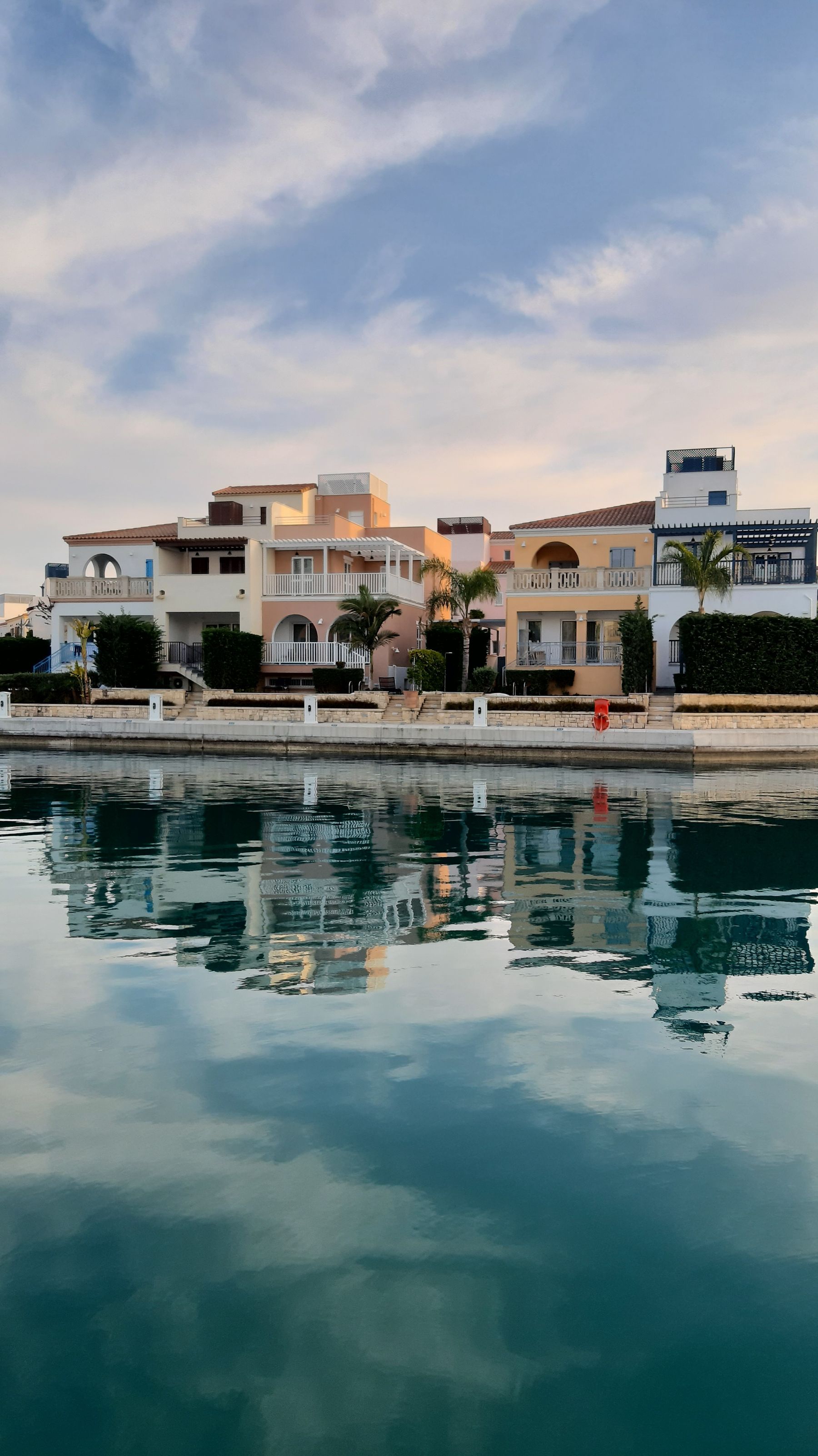
2. Find the lowest bridge on the route
If the buyer has a T-top, tower, hardtop or tall center console, the lowest bridge is the number that matters. I also want to know whether tide or water level can materially affect clearance. When the boat is close to the limit, we verify rather than assume.
3. Estimate real boating time
Distance alone does not equal travel time. No-wake zones, canal width and turns can make a shorter route slower. For a buyer who plans to fish several mornings a week, 45 minutes of idle speed each way can change how much they actually use the boat.
4. Look at the seawall before the kitchen remodel
Seawalls are expensive enough that I want age, visible condition, cap movement, drainage and repair history on the list early. A general home inspection may note obvious issues, but a waterfront specialist may be appropriate when there are concerns.
5. Make sure the dock and lift fit the real boat
Lift capacity, cradle width, beam, piling spacing, dock length, electrical service and water depth can all matter. “Boat lift included” is not the same as “this lift works for your boat.” If the buyer will need a new lift or dock changes, that belongs in the budget before the offer.
6. Price flood and wind insurance early
Waterfront buyers should not wait until the end of due diligence to learn the insurance number. Flood zone, elevation, roof age, opening protection and other building details can materially change the monthly ownership cost.
7. Verify permits and improvements
Docks, lifts, seawalls, enclosures and additions are all worth matching against available permit/property records when they could affect value or future work.
Bonus: water depth and bottom conditions
Draft matters. A route that works for one boat may not work comfortably for another, especially near low water. If depth is critical, the buyer should verify it with the appropriate source instead of relying on a listing description.
How I build a better waterfront search
I start with boat length, beam, approximate height, draft and how quickly the buyer wants to reach open water. Then I narrow the neighborhoods. That is much more efficient than touring every listing with the words “Gulf access.”
Sometimes, but pilings, structure, electrical service, permitting and geometry may limit the options. Get a professional opinion before assuming.
Can a lift be upgraded for a larger boat?
A qualified waterfront/seawall contractor or other appropriate professional can provide a more specialized evaluation when needed.
Who should inspect a seawall?
Use them as a clue, then verify the controlling bridge and conditions when clearance is critical.
Can I trust bridge-clearance numbers in a listing?
No. Many Gulf-access routes have bridges. No-bridge or sailboat access is a more specific requirement.
Does Gulf access mean no bridges?
Waterfront buyer FAQ
I also ask where the buyer actually wants to go. A fisherman headed toward Matlacha may value a route differently than someone whose weekends revolve around the Caloosahatchee and Gulf.
Listings sometimes use “direct” loosely. For a boater, I want to know whether there are bridges, shallow-water concerns or major route restrictions and how many minutes of no-wake travel are involved. The buyer’s definition of “direct” may be stricter than the marketing language.
What “direct access” really means to me
Related BigCHomes guides